Jordan Reeves

Nearly twenty-five years ago, I decided to be different from everything the world expected of me.
Deciding to be myself was the queerest thing I have ever done. I’ll tell you more about how I grew up in my blog, but the short story is that after I came out, I felt distant from my family for the first time in my life.
As my truth unfolded, it was different than the truth everyone around me wanted for me. I didn’t know it then, but profound love and profound misunderstanding often exist at the same time. I just couldn’t make it work. I didn’t know how, and neither did anyone else. It was hard for everybody.
A few years ago, my mom texted me. She had cancer, and it was terminal. They didn’t give her very long to live. It had been twenty years since I tried to have an honest relationship with my family, but cancer? I was heartbroken. I felt guilt for leaving, shame for the way I acted after I left, and remorse for not going back sooner. It was a rollercoaster of emotions that led me back to Alabama. The only way off the roller coaster was to finish the ride.
What I learned is that repair is possible if we do the work.
I've helped launch global education initiatives at TED and Understood.org, led a national storytelling nonprofit, produced more than 500 mini-documentaries about LGBTQ+ lives across the United States, and advised organizations ranging from grassroots movements to Google. Through it all, repair was only possible if I worked for it.
The work happened inside nonprofits, at Fortune 500 companies, and in communities navigating change together.
But more than anything in my life, I’m most grateful of the work that happened at a dining-room table in Alabama. Together, my family and I created the conditions that made repair possible. We found each other again. Across lines of difference, across time and space, across terminal diagnoses.
Before she died, my mom and I were able to experience the closeness we lost so many years ago. But only because we were both committed to creating the conditions for repair.
In everything I do, I ask how we can repair what’s broken. Not once. But as a practice. The practice of repair is the practice of relationships. And they take a lot of practice.
But even though I believe relationships are our greatest challenges, I also believe they are our greatest hope.
Here’s to the practice of repair.
Featured WORK
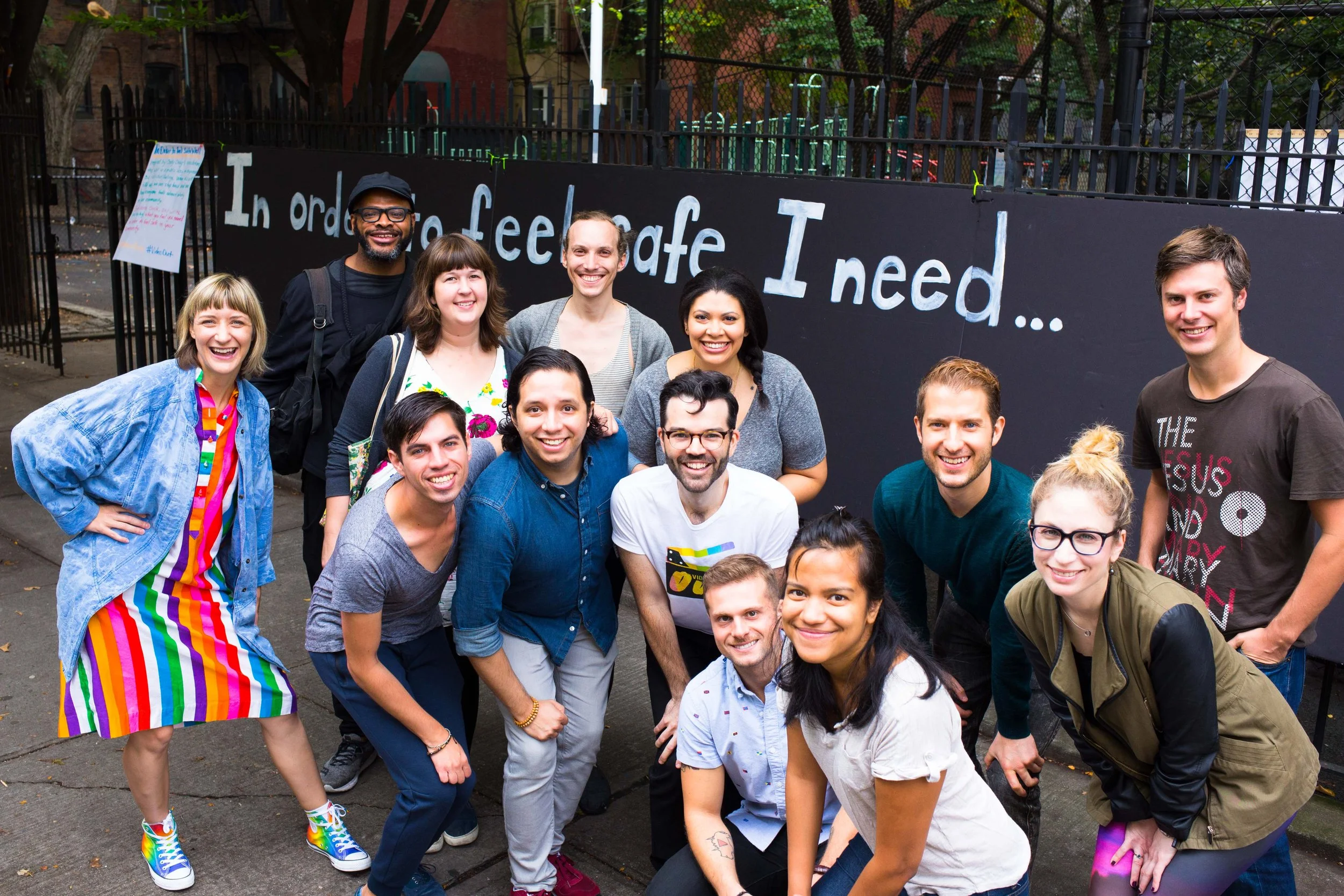
Kindness Party
Creator, Artist, Community Organizer
Kindness Party is an ongoing public art and community-building project exploring what allows people to find one another again after conflict, division, or harm. Each gathering transforms public space into a participatory experience where community members create the conditions for repair. Since 2017, Kindness Party has partnered with neighborhoods and institutions to strengthen connection through collective acts of belonging.
How do communities repair? By building the condition for repair together.
SpeakOut
Event Producer
I produced dynamic, monthly live events spotlighting storytellers who share their most compelling stories in 10 minutes or less. These events are designed to foster connection through shared humanity, highlighting diverse experiences and perspectives. The stories are then shared with community organizations, including LGBTQ+ centers, mutual aid initiatives, and grassroots movements, amplifying advocacy efforts and strengthening community bonds.
How do strangers connect? By telling their stories.


The Queer History of The South
VideoOut
Producer, Story Consultant
This video combats misinformation surrounding the LGBTQ+ experience, starting with the fact that one third of the entire LGBTQ+ population in the U. S. lives in the South. It highlights some heroes, events, and places important to the movement.
How does historical truth create belonging? By seeing yourself included in humanity.
Fellow Travelers
Fremantle / Paramount / Showtime
Dramaturgical Consultant
I presented historical context about LGBTQ+ history, The Lavender Scare, McCarthyism, and the AIDS crisis ensuring the cast, crew, and production team understood the real-world impact of these social, political, and public health phenomenon on the people who lived through them.
How do stories honor lived experience? By rooting them in authenticity.
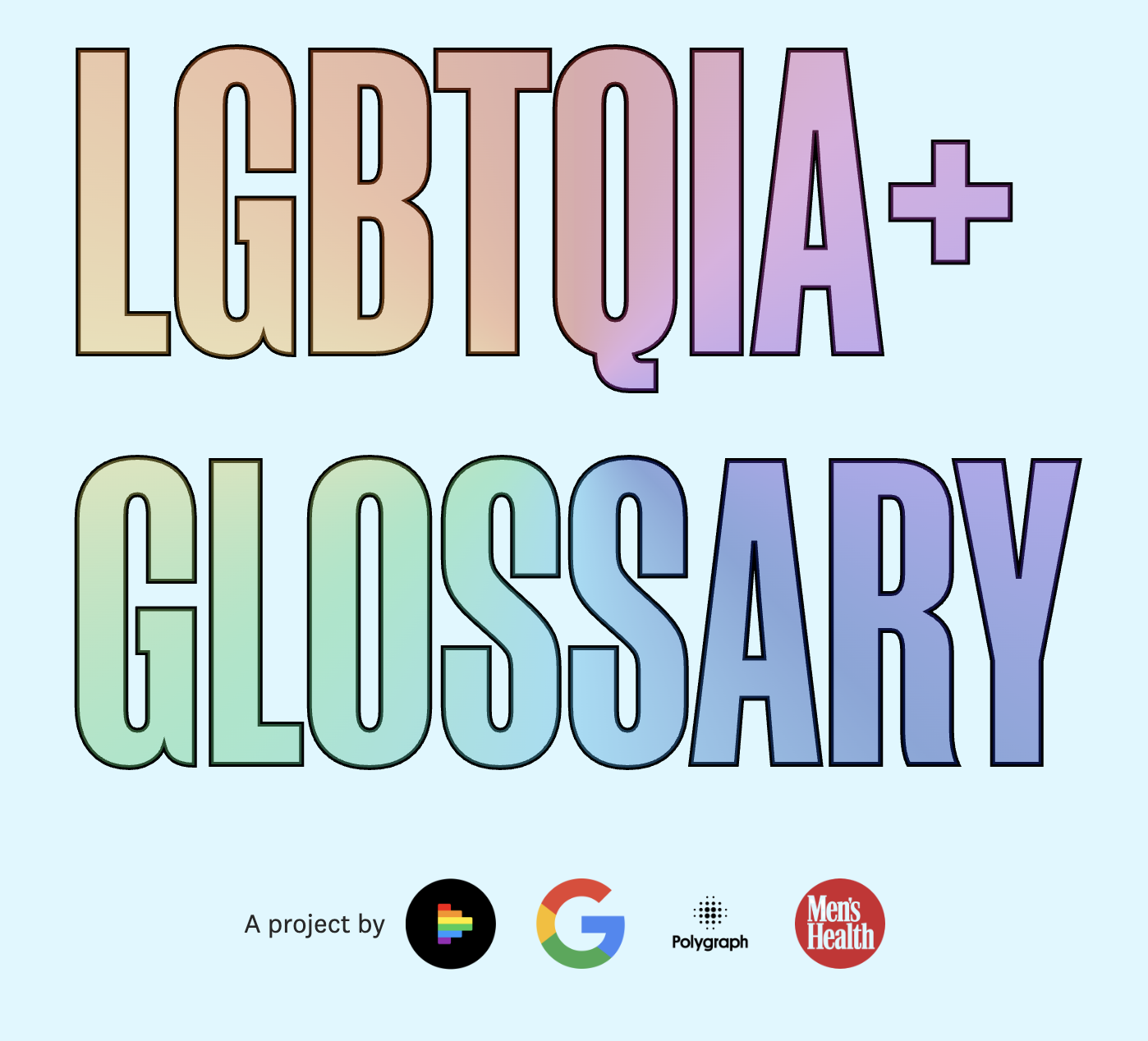
LGBTQIA+ Glossary
VideoOut, Google, Hearst Magazines (Men’s Health)
Project Concept / Executive Producer
As language evolves in and out of use, what does that mean for the meaning of the words themselves. VideoOut partnered with Google to bring this project to life. We hired linguists from all over the world to help us define words, both then and now, and how those words have been used since Google started tracking that data. Words like homosexual and faggot may surprise you.
How does language help us communicate more effectively? By using words that honor community.
“When we create the conditions for people to find one another, repair becomes possible.”
Examining Prejudice
TED
Producer, Host
A miniature TED session around the theme “Examining Prejudice” that explored issues of discrimination and homophobia. It also veered to some unexpected places — like some people’s dislike of Brussels sprouts.
How do conversations bridge difference? By paving a road to alignment.
Love Calls Back
Verizon + PFLAG
Producer, Story Consultant
This video shows estranged LGBTQ+ folks reconnecting with their family members.
It’s never too late for love to call back. Verizon and PFLAG are committed to connecting and reconnecting all families. Find support for LGBTQ families at pflag.org
How do families reconcile? While there’s no simple answer, it always seems to help if they create the conditions for repair together.
A Living History of the LGBT Movement
AARP + NextDayBetter
Producer, Writer, Historical Researcher
In collaboration with AARP, we present "A #LivingHistory of the LGBT Movement" powered by AARP - a storytelling series honoring past, present and future heroes of the LGBT movement. We know that the history of the LGBT movement is still being written. By understanding our history, we can create a better future for everyone, especially for our aging LGBT older adults.
How does collective memory strengthen community? By reminding us of those that made it possible for us to be here.
National Coming Out Day
Grey + VideoOut
Producer
What does it mean to bring your whole self to work? Created for National Coming Out Day, this series explores how LGBTQ+ employees navigate identity, authenticity, and belonging in the workplace. Through personal stories, participants reflect on the impact of being seen—not just for who they are, but for what becomes possible when they no longer have to hide.
What becomes possible when people feel safe enough to be themselves? It’s impossible to answer this questions in just one way, but I definitely believe this is the fist step towards repair.
LGBTQ+ Visibility Matters
Hulu + VideoOut
Producer
In partnership with Hulu, LGBTQ+ employees share stories about identity, representation, and finding a workplace where authenticity is valued. Together, their stories explore how being seen can strengthen not only individuals, but entire communities.
How does being seen change the way we relate to one another? When we are all seen, we are all connected in our shared humanity.
“The distance between strangers is often measured in stories we haven’t heard yet.”
TED-Ed
As part of TED-Ed's founding team, I helped shape one of the world's largest educational storytelling platforms. TED-Ed lessons explore music, science, dance, and creativity. More than just information, the lessons invite people into new ways of seeing the world.
How does curiosity help us understand one another? Asking a person what they feel or what they need is the best way to understand how they feel and what they need.